ME From Spain is a unique luxury platform in Spain, with one of our key differentiators being that I hail from a region with a fascinating history, home to great artisans and gastronomic entrepreneurs not easily accessible to the general traveler.
I am very proud to be Spanish and from Castilla-La Mancha, and after several experiences around the world for professional, personal, and learning reasons, I increasingly enjoy sharing my time and very special moments in my region and with my fellow Castilians from Castilla-La Mancha… Because if there’s something I believe defines us in this region, it’s that we are good people… Sharing time with people in Castilla-La Mancha is a real luxury, and we always welcome visitors with open arms and excellence.
The region of Castilla-La Mancha is located in the heart of Spain between the capital (Madrid) and coastal cities like Valencia or Alicante. It boasts dreamlike landscapes with authentic luxury gastronomic proposals, even beyond the main cities, where avant-garde restaurants of very high quality can be found. Our selection is based on one proposal from each of the five provinces that make up the region where I was born, Castilla-La Mancha.
- Oba Restaurant in Casas Ibáñez near Alcalá del Júcar (Albacete)
With various gastronomic awards, they define themselves as follows: “Oba is a gastronomic restaurant paying homage to our roots, our fellow countrymen, our land, and our valley.”
Some of their flagship products include Celtiberian mountain kid, Castilian cockerel, game meats, common trout, pike, river crab, ancient tubers, mushrooms, wild herbs, and sheep’s dairy products. The entire dining room is designed with natural materials handmade by small artisans, from the tablecloth to the plate, from the floor to the ceiling. You’ll dine on stones, moss, or broken plates… with the idea of escaping the ordinary.
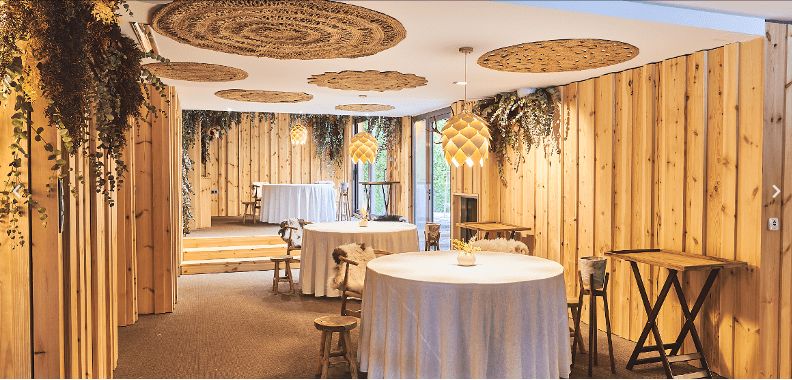
Source: Oba Restaurant webpage.
This amazing restaurant is located about 15 minutes away from Alcalá del Júcar.
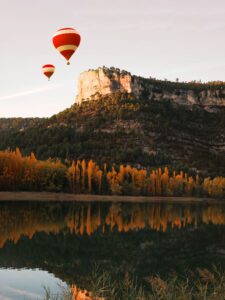
Alcalá del Júcar perches on a rock above a meander of the river, with houses climbing up it or dug into the earth, ascending to the Castle that presides over everything with an impressive defensive tower from the Almohad period, built between the 12th and 13th centuries. The Júcar canyon is cut into layers at its base, resembling a limestone cake, giving it a unique appearance.
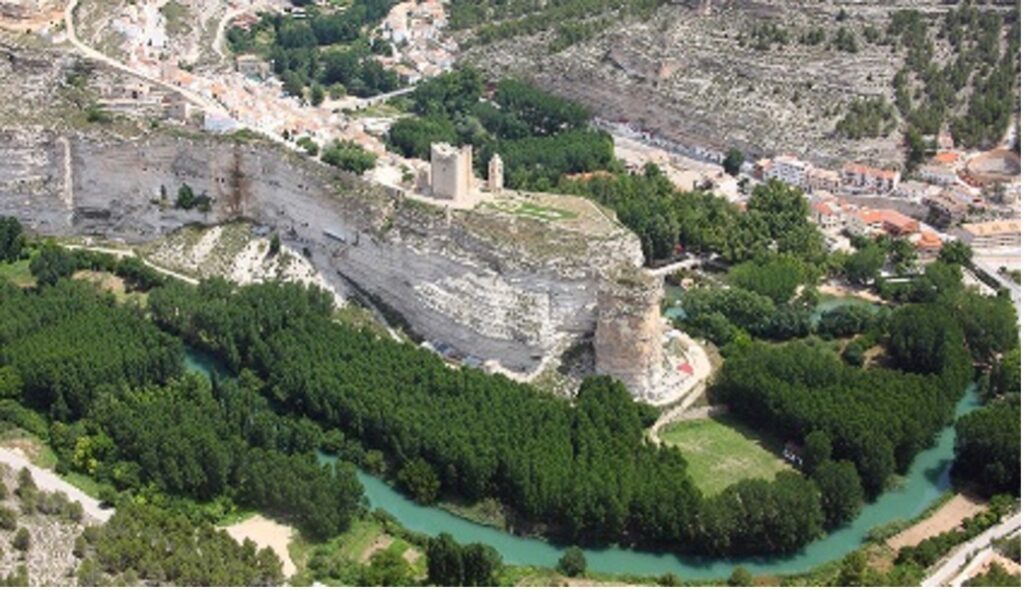
Source: alcaladeljucar.es
It has architectural peculiarities such as the Roman Bridge, or the peculiar Plaza de Toros (bullring). The bullring of Alcalá del Júcar is one of the oldest in Spain and undoubtedly one of the most curious, as its irregular shape, resembling a Roman stadium from the gladiator era, makes it unique.
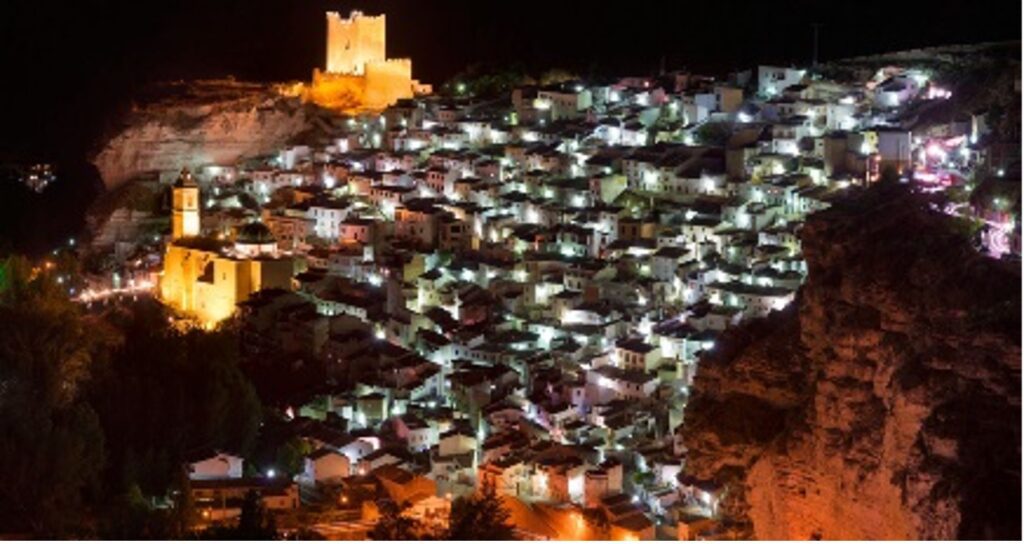
Source: turismocastillalamancha.es
2. Las Musas Restaurant Campo de Criptana (Ciudad Real)
Its architecture is an example that, while respecting tradition, a modern, interesting, and architecturally beautiful space can be designed.
The cuisine at Las Musas is based on the fascinating gastronomy of La Mancha. They have achieved the difficult balance between tradition and modernity, with utmost respect for the raw ingredients while creating often spectacular dishes.
Located in Campo de Criptana, in the heart of La Mancha, amidst the Sierra de los Molinos, with panoramic views of the town and the Albaicín “Criptanense,” which is one of the most beautiful natural landscapes in Castilla La Mancha.
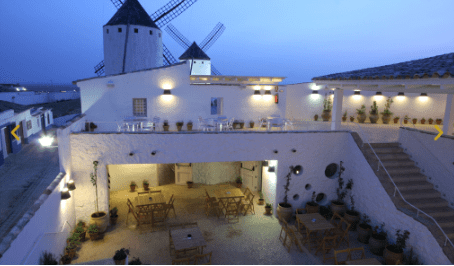
Source: restaurantelasmusas.com
A white and indigo village. Located in the heart of La Mancha and known as the “Land of Giants”, Campo de Criptana offers visitors an immersion in tradition thanks to its collection of historic windmills and the traditional neighborhood of Albaicín.
Campo de Criptana was the largest ensemble of windmills in La Mancha. The windmills are the most iconic image of Campo de Criptana and of Don Quixote (famous literary work by Cervantes), which can be felt here in every corner. According to Cervantes scholars, these windmills, which give their name to this mountain range, were the giants against whom the Ingenious Gentleman fought in Chapter VIII of the first part of Miguel de Cervantes’ universal work.
3. Restaurant El Doncel in Sigüenza (Guadalajara)
Positioned in the gastronomic arena with an own identity, they give renewed value to the enormous natural resources of the surroundings and present them on stage in a different, creative, and very personal way.
As the fourth generation of hoteliers at El Doncel Restaurant, they also pay special attention to research and culinary experimentation with their Kitchen of Ideas, which they develop in their laboratory: They analyze various ingredients, their flavours, and textures… They explore different temperatures and creative alternatives… They apply and test new techniques, observing the behaviour of different materials.
Their aim is to achieve a cuisine in constant progress and evolution, innovating and developing new concepts.
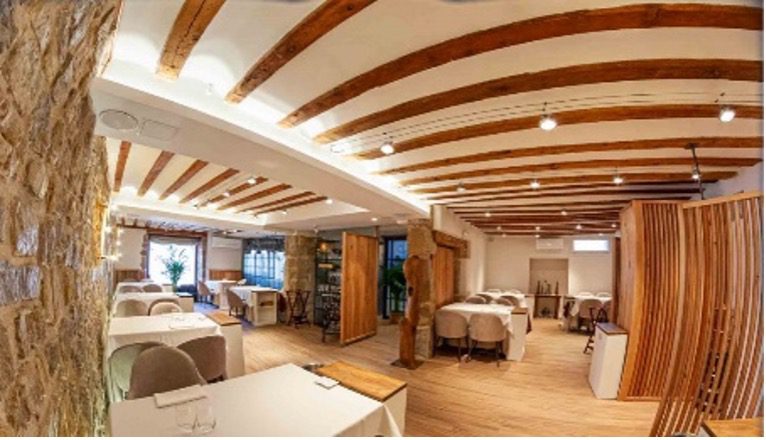
Source: eldoncel.com
Sigüenza is a strategically located city, maybe this is the reason why it has been inhabited since the Paleolithic and Neolithic periods.
Visiting Sigüenza means visiting history in every fold of time. After the traces of ancient settlers: Celtiberians, Romans, Visigoths, and Arabs; a medieval Sigüenza imposes itself, captivating the gaze from the very first view.
The castle dominates the city, the postcard, and holds within its foundations, which rise up to its battlements, secrets of its inhabitants, who were many. Its Cathedral is, as a whole, a beautiful example of Cistercian or early Gothic architecture.
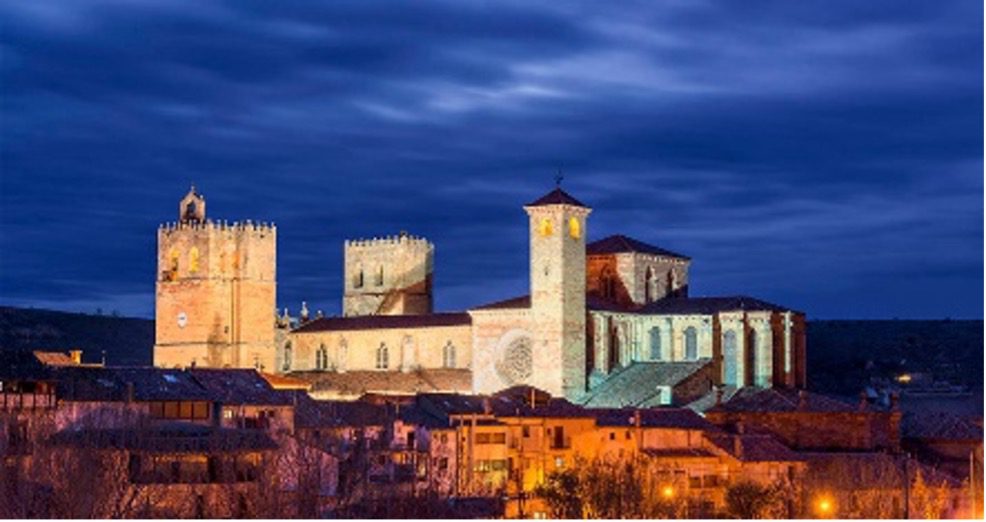
Source: turismocastillalamancha.es
4. Casas Colgadas Restaurant (Cuenca)
Located in the very same Hanging Houses (one of the most recognizable symbols of the city of Cuenca), Casas Colgadas Restaurant is the evolution of the project that started with Trivio Restaurant.
The cuisine at Casas Colgadas is closely tied to seasonality and the availability of ingredients, which is why their menus are modified in favor of product sustainability. They find inspiration in everyday activities, in the stories and ideas behind each producer and project they work with. Dry farming, typical of Cuenca, has been based on these principles of conscious consumption and constant resource control for centuries. They strive to recover regional products that had been forgotten or completely overlooked within high gastronomy.
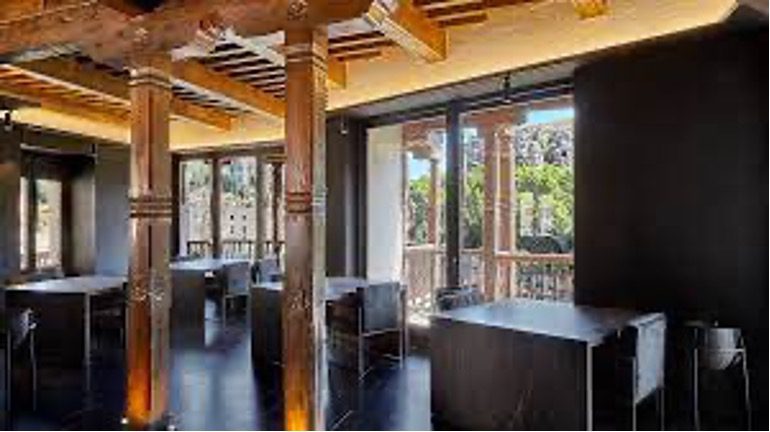
Source: restaurantecasascolgadas.com
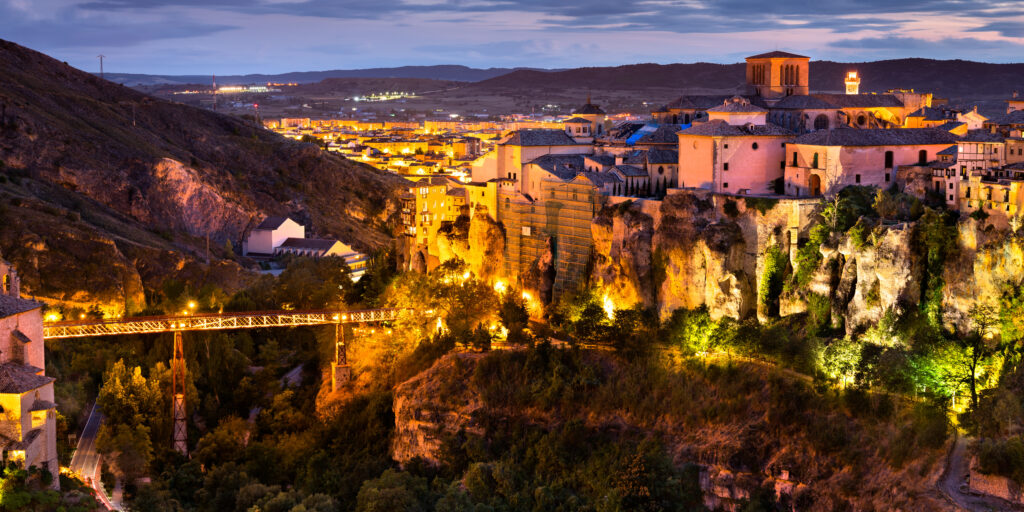
Cuenca is a city to visit with calm, to strolling its streets, entering its monumental corners; and to be admired from the outside, from the other side of the Júcar River; to see it bathed in sunlight or illuminated at night; to witness the constructions of man and nature; to discover hidden secrets in alleyways, facades, and narrow streets, or to be overwhelmed by the grandeur of its cathedral, or fully immerse oneself in the embrace of the monuments in the Plaza Mayor.
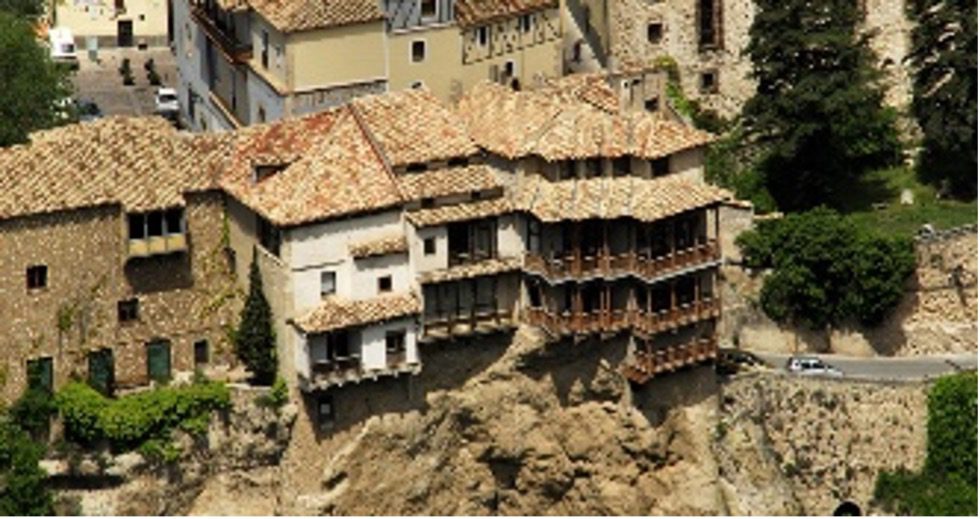
Source: turismocastillalamancha.es
Perched on the edge of the cliff over the Huécar Gorge, the Hanging Houses are an undisputed symbol of Cuenca and true gems of popular Gothic architecture. Made of masonry, they overlook the river from their wooden cantilevered balconies on the cliff. For the past two centuries, this symbolic building of Castilla La Mancha has been closely linked to art, avant-garde, and history, housing the Museum of Spanish Abstract Art in Cuenca.
5. Tierra Restaurant in Torrico, near Oropesa (Toledo)
This amazing restaurant is located about 10 minutes away from Oropesa (Toledo).
The menu at Tierra Restaurant takes you on a journey through tradition, with slightly updated preparations through the exploration of their recipe collection and the search for a local identity using the finest seasonal products that constantly vary. The vegetable ingredients they offer are either self-cultivated or wild-harvested, some on their own estate and others along the banks of the Tiétar River. All their fish and seafood come from the best fish markets in Spain.
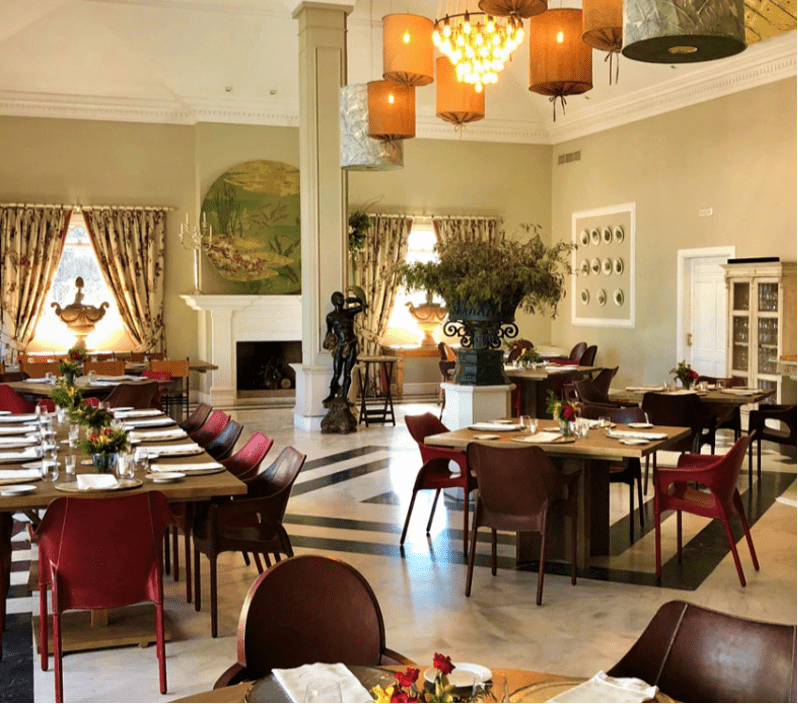
Source: tierra-valdepalacios.com
Situated on a 600-hectare estate populated with holm oak forests, where fallow deer, red deer, and partridges abound, it occupies a country house from the early 19th century, complete with stables, farmhouses, a chapel, and courtyards.
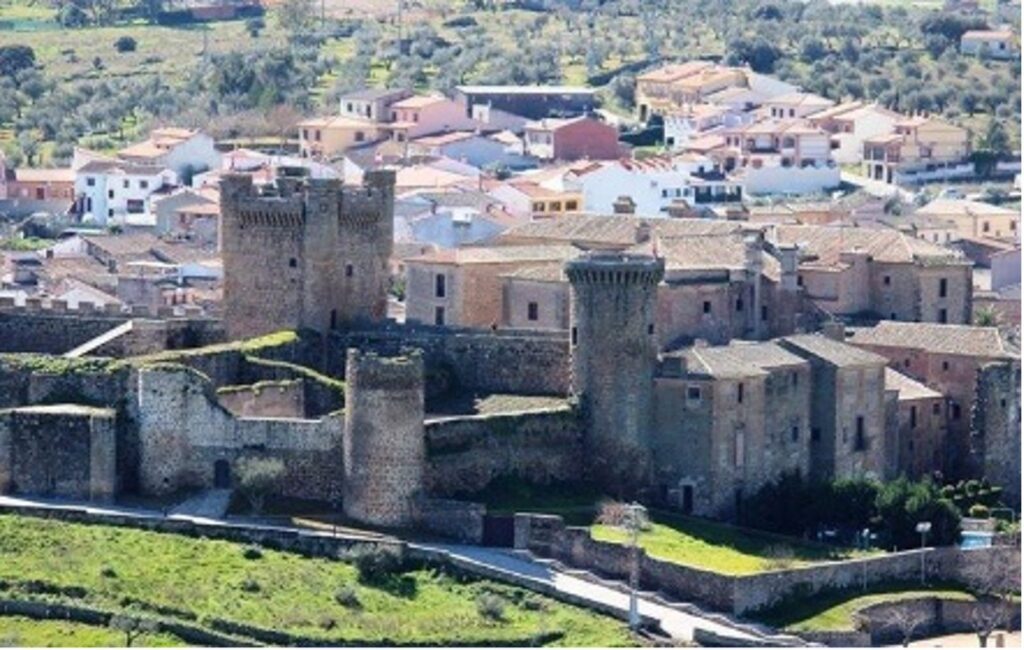
Source: oropesadetoledo.es
Visiting Oropesa is like stepping into the Middle Ages. Oropesa is the center of the region to which it belongs by tradition, importance, and toponymy: La Campana de Oropesa.
The Romans established their settlement here to oversee the route between the two Talaveras, and the Arabs left their mark with the 12th-century Castle. The imposing Castle of Oropesa, situated on a hill, bears witness to the significance of the county. Its religious and civil monuments from that era portray the political and civic importance of the town.